The Fish and Food Co. | 10 days ago

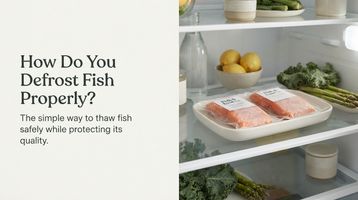
How Do You Defrost Fish Properly?

Defrosting fish properly makes a real difference to both food safety and eating quality.

The best method? A little planning.

The easiest way to defrost fish

Move the fish from the freezer to the refrigerator and allow it to thaw slowly.

For most portions, leaving them in the fridge overnight means they'll be ready to cook the following day.

Slow, chilled thawing helps keep the fish at a safe temperature while protecting its delicate texture.

Need dinner sooner?

If you've forgotten to take your fish out the night before, you can speed things up using cold water.

Keep the fish securely sealed so that water doesn't come into direct contact with it, and thaw it using cold water — never warm or hot water.

Once thawed using this quicker method, cook the fish promptly.


Can you defrost fish on the kitchen counter?

We don't recommend it.

Leaving fish at room temperature can allow the outside to warm up while the centre is still frozen.

Instead, stick to the refrigerator or an appropriate cold-water method.


Do you always need to defrost fish before cooking?

Not necessarily.

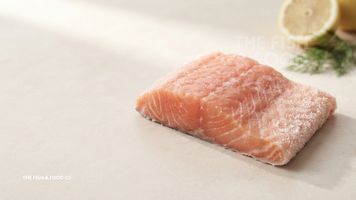
Some fish can be cooked successfully straight from frozen.

Norwegian salmon, for example, can go from freezer to oven or air fryer with a little extra cooking time — particularly useful on those evenings when dinner planning hasn't quite gone according to plan.


Fish & Food Expert Tip

Plan tomorrow's dinner while you're putting tonight's dishes away.

It only takes a moment to move the portions you need from the freezer to the refrigerator — and individually portioned fish means you don't have to defrost more than you're going to use.

The Salmon Specialists

The Fish and Food Co.

More Posts

What Does “Flash-Frozen at Peak Freshness” Really Mean?What Does “Flash-Frozen at Peak Freshness” Really Mean?
What Does “Flash-Frozen at Peak Freshness” Really Mean?

You’ll often see us describe our fish as flash-frozen at peak freshness.

But what does that actually mean — and why does it matter?


What is flash-freezing?

Flash-freezing means bringing fish down to a frozen temperature very quickly after processing, rather than allowing it to freeze slowly over a long period.

The faster freezing process helps protect the natural structure of the fish, which is important for maintaining its texture and overall quality.


Why does freezing speed matter?

When food freezes, ice crystals form within it.

Slower freezing can result in larger ice crystals, which can cause more damage to the delicate structure of the fish.

Rapid freezing produces much smaller ice crystals, helping the fish retain its natural texture when it is eventually thawed and cooked.

Is Frozen Fish Healthy?Is Frozen Fish Healthy?
Is Frozen Fish Healthy?

Yes — frozen fish can absolutely be part of a healthy, balanced diet.

Freezing is simply a method of preserving food. It doesn’t suddenly remove the high-quality protein or naturally occurring nutrients found in fish.

In fact, fish that is professionally frozen soon after processing can maintain its quality and nutritional value extremely well until you’re ready to enjoy it.

Is frozen fish less nutritious than fresh fish?

Not necessarily.

What matters is the quality of the fish to begin with, how it has been handled and how it has been stored.

At Fish & Food Co., our Norwegian salmon is professionally flash-frozen at peak freshness, helping preserve its quality, texture and flavour until it reaches your freezer.

What’s the Best Fish for Fish and Chips?What’s the Best Fish for Fish and Chips?
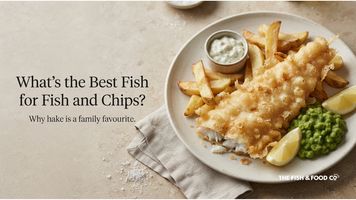
What’s the Best Fish for Fish and Chips?

Few meals beat a good plate of fish and chips — crispy on the outside, tender and flaky in the middle.

But which fish should you use?

For us, hake is one of the best choices.


Why does hake work so well?

Hake has a mild, delicate flavour and soft, flaky texture that works beautifully with a crisp coating.

Because the flavour isn't overpowering, it also pairs perfectly with all the classics — chunky chips, lemon, mushy peas and homemade tartare sauce.

It’s also incredibly versatile, making it a great white fish to keep in the freezer for easy family meals.

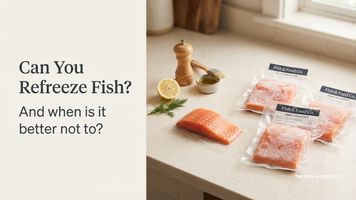
Can You Refreeze Fish?Can You Refreeze Fish?
Can You Refreeze Fish?

This is one of the questions we’re asked most often.

The short answer is yes, in some circumstances — but how the fish was thawed matters.


If fish has been thawed safely in the refrigerator and kept properly chilled, it can generally be refrozen. However, every freeze-and-thaw cycle can affect the texture and overall eating quality of the fish.

That’s why, whenever possible, we recommend only thawing what you plan to cook.

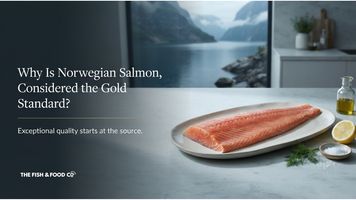
Why Is Norwegian Salmon Considered the Gold Standard?Why Is Norwegian Salmon Considered the Gold Standard?
Why Is Norwegian Salmon Considered the Gold Standard?

Norwegian salmon has earned its reputation through consistent quality, careful farming practices and exceptional flavour.


The cold, clean waters of Norway provide ideal growing conditions, while strict quality standards help produce salmon that’s enjoyed by chefs and home cooks around the world.

At Fish & Food Co., our Norwegian salmon is professionally flash-frozen at peak freshness, helping preserve its texture and flavour until you’re ready to cook it.


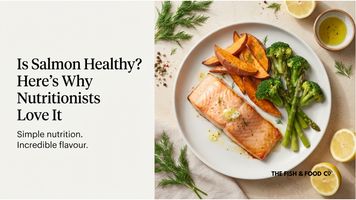
Is Salmon Healthy? Here’s Why Nutritionists Love ItIs Salmon Healthy? Here’s Why Nutritionists Love It
Is Salmon Healthy? Here’s Why Nutritionists Love It

If you’re trying to eat healthier, salmon deserves a place on your menu.

Norwegian salmon is naturally rich in high-quality protein, Omega-3 fatty acids, Vitamin D and Vitamin B12. Together, these nutrients support a balanced diet and make salmon a satisfying meal that fits into many healthy eating patterns.

Unlike many convenience meals, salmon is quick to prepare and pairs beautifully with vegetables, salads or whole grains.


How Do You Know When Salmon Is Perfectly Cooked?How Do You Know When Salmon Is Perfectly Cooked?
How Do You Know When Salmon Is Perfectly Cooked?

The biggest mistake people make with salmon?

Overcooking it.

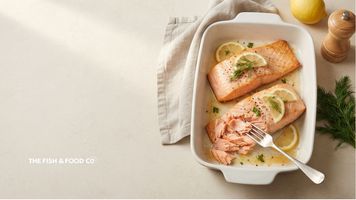
Perfectly cooked salmon should be moist, tender and flake easily when gently pressed with a fork.

If it looks dry, it’s probably spent a little too long in the oven.


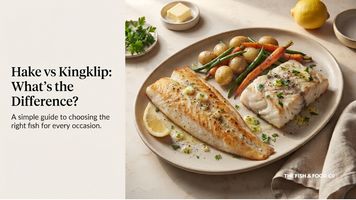
Hake vs Kingklip: What’s the Difference?Hake vs Kingklip: What’s the Difference?
Hake vs Kingklip: What’s the Difference?

If you’ve ever stood in front of the freezer wondering whether to choose hake or kingklip, you’re not alone.

Both are delicious—but they’re quite different.


Hake

Hake has a mild flavour, soft flakes and is incredibly versatile.

It’s ideal for fish and chips, fish cakes, curries and everyday family meals.


Kingklip

Kingklip has a firmer texture and a richer flavour.

It’s often served in restaurants because it holds together beautifully when baked, grilled or pan-fried.


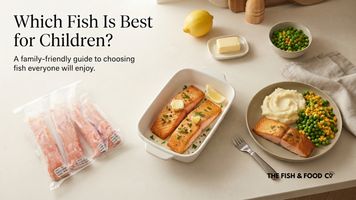
Which Fish Is Best for Children?Which Fish Is Best for Children?
Which Fish Is Best for Children?

Getting children to enjoy fish doesn’t have to be a challenge.

The secret is choosing fish with a mild flavour and a soft, flaky texture.

For many families, Norwegian salmon is an excellent choice because it’s easy to cook, naturally tender and incredibly versatile.

Hake is another family favourite thanks to its delicate flavour.

If you’ve got particularly fussy eaters, crumbed fish fingers made from quality fish can be a great introduction.